Every August, the National Drowning Report reminds us of the critical need for water safety education. At BlueFit Swimming, this reinforces our mission to equip families to navigate the water safely. Because safety extends beyond the pool, having a basic understanding of CPR and first aid can make all the difference.
Why First Aid Matters Beyond the Pool
When most people picture CPR and first aid around an aquatic facility, they imagine rare, extreme water rescues. But the reality is that life-threatening situations happen everywhere.
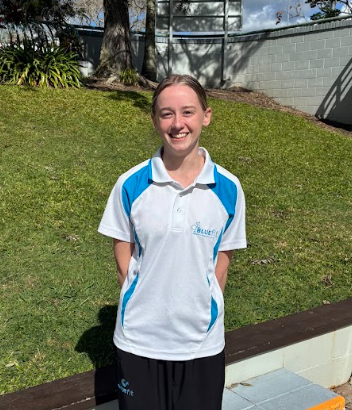
Sophie, Swim School Manager at Buderim, emphasises that these essential life skills go far beyond the pool edge.
"When people think of first aid and CPR, they often associate these skills with lifeguards and swimming pools," Sophie notes. "While they're essential around the water, they're just as important in everyday life. In many situations, the first person on the scene isn't a healthcare professional, it's an everyday member of the community."
The biggest barrier in any crisis is hesitation. Regularly practicing these survival skills builds muscle memory and helps you take the guesswork out of high-stress moments.
"Knowing basic first aid and CPR can help you stay calm, respond with confidence, and provide vital care until emergency services arrive," Sophie explains. "Learning these skills isn't just about preparing for emergencies at the pool, it's about being ready to help whenever and wherever someone needs you.One day, that knowledge could make all the difference."
Equipping our Buderim community with these practical skills ensures more people are prepared to act when it matters most. Here is a quick-reference guide to essential life-saving skills:
Simplified CPR and Resuscitation
If you find someone unresponsive, remember DRSABCD: Danger, Response, Send for help, Airway, Breathing, CPR, Defibrillation. (Note: Please only act within your levels of training and skills).
The CPR Rhythm & Technique
- Technique: Place the heel of one hand in the centre of the chest, interlock your other hand on top, and keep your arms straight. Push down hard and fast, compressing to about one-third of the chest's depth.
- Ratio & Speed: 30 compressions followed by 2 breaths at 100 to 120 compressions per minute (about the pace of the Bee Gees' Stayin' Alive).
- Duration: Complete 5 cycles (roughly two minutes). Continue until exhaustion, the person responds, or help arrives.
If the Person Responds: The Recovery Position
If they start breathing normally, roll them onto their side to keep their airway clear and allow fluids to drain:
- Extend their nearest arm at a right angle.
- Place their other hand against the cheek closest to you.
- Bend their far knee up and gently roll them towards you.
- Tilt their head slightly back, ensuring their mouth points downward while waiting for help.
Simplified First Aid Tips
Accidents happen, especially with active kids. Here are quick ways to handle common occurrences:
Minor Bleeding: Apply direct, firm pressure to the wound using a clean cloth or bandage.
Twisted Joints & Broken Bones: Follow RICER (Rest, Ice, Compression, Elevation, Referral). Handy Trick: If you suspect a break or severe sprain, gently tie a rolled-up towel or spare clothing around the limb as a makeshift sling or splint to keep it stable.
Minor Burns: Run the burn under cool, running water for a full 20 minutes. Never use ice, as it restricts blood flow and can cause further tissue damage.
Nosebleeds: Lean forward (not backward) and pinch the soft part of the nose for 10 to 15 minutes. If bleeding continues for more than 15 minutes, seek medical attention.
Choking: Deliver firm back blows between the shoulder blades using the heel of your hand to dislodge the blockage.
Empowering yourself with CPR and First Aid qualifications brings incredible peace of mind. Combine these crucial, life-saving skills with regular lessons at BlueFit Swimming, and you are setting your family up for a lifetime of aquatic safety and fun.
To learn more about building strong, capable swimmers, visit BlueFit Swimming at Sunshine Coast Active pools today.